


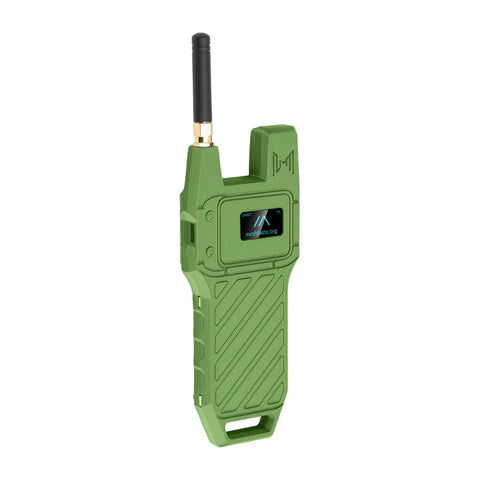
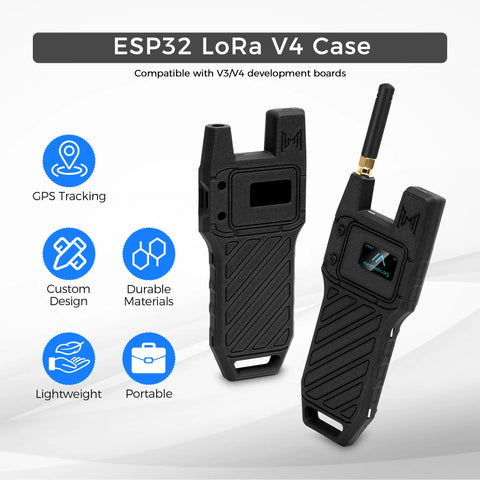
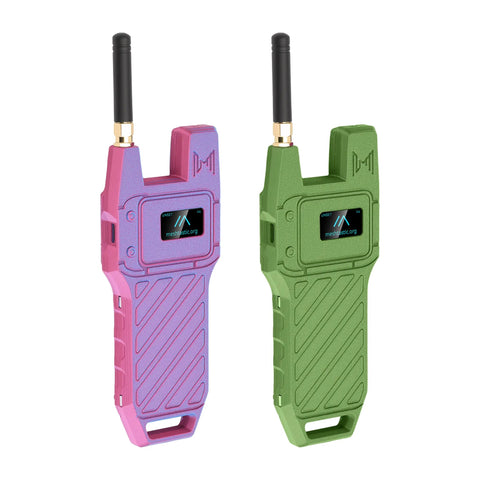
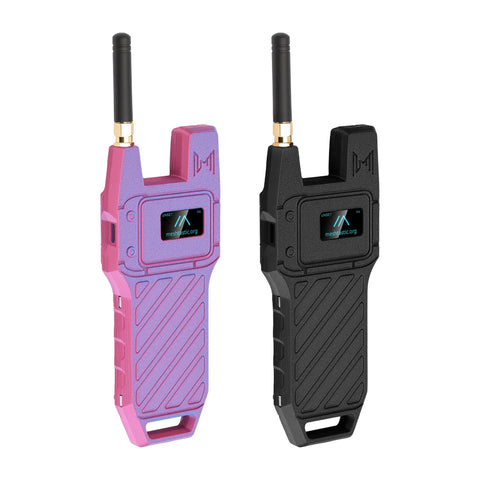
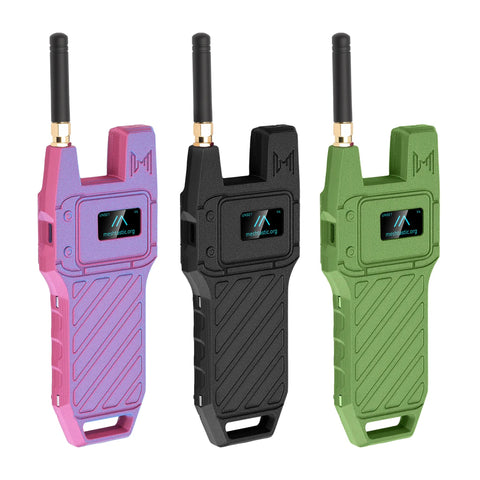
Meshnology N39 - WiFi LoRa 32 V4 Heltec Meshtastic Hardware Device Kit
1. Supports Wi-Fi, Bluetooth BLE, and LoRa communication.
2. Up to 27±1 dBm brings an extended communication range.
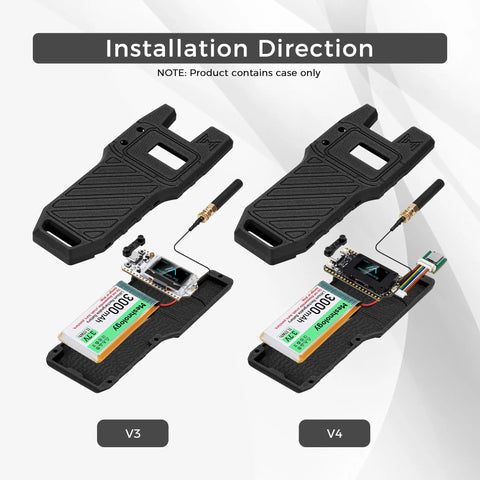
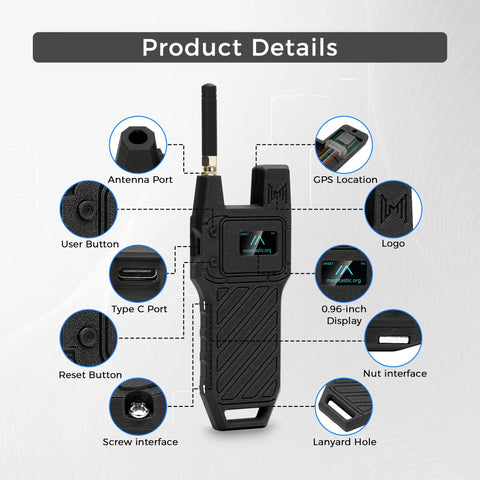
3. Built-in casing, OLED display protection, and improved antenna stability.
4. GNSS Expansion Ready – SH1.25-8Pin interface for GPS module expansion.
5. Docs & Resources: User Manual, ESP32 Framework, ESP32 Libraries, Download Resources, Schematic V4.2, 3D Model.
Guaranteed Safe Checkout


Meshnology N39 - WiFi LoRa 32 V4 Heltec Meshtastic Hardware Device Kit
Meshnology - N39 Heltec WiFi LoRa 32 V4 – Upgraded ESP32-S3 LoRa Development Board
The Meshnology - N39 Heltec WiFi LoRa 32 V4 is the fully upgraded successor to the classic LoRa development board series that has been loved by developers and makers since 2017. Building on the powerful features of previous generations, the V4 introduces major improvements in transmit power, power management, expandability, and overall hardware design.
This board is ideal for a wide range of IoT applications, including smart cities, agricultural monitoring, smart homes, industrial automation, security systems, and wireless metering—delivering developers a more efficient and flexible development experience.
Key Features
- ESP32-S3R2 + SX1262 chipset – Supports Wi-Fi (802.11 b/g/n), Bluetooth BLE, and LoRa communication.
- Memory Upgrade – 2MB embedded PSRAM + 16MB external Flash, optimized for UI rendering and complex systems.
- Boosted LoRa Transmission Power – Up to 27±1dBm for stronger long-range communication.
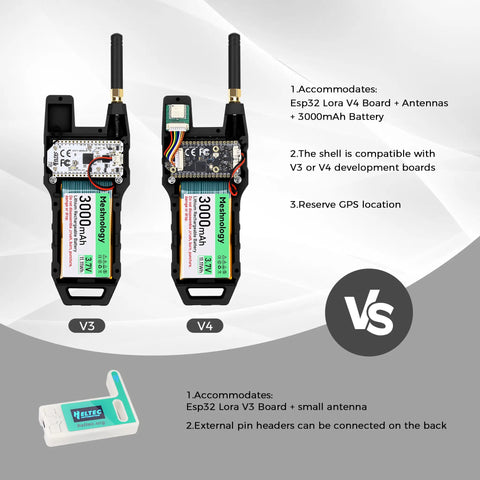
- Compatible Design – Same form factor and pin layout as WiFi LoRa 32 V3, easy upgrade path.
- Integrated PC Casing & Antenna – Enclosed screen protection with built-in 2.4GHz FPC antenna for durability and signal stability.
- Solar Power Support – Added SH1.25-2P solar panel interface (supports 4.4–6V / ≤540mA).
- Optimized Battery Management – Smart charging/discharging, overcharge protection, power detection, and seamless USB/battery switching.
- Enhanced Expansion – Added SH1.25-8Pin GNSS interface for positioning modules.
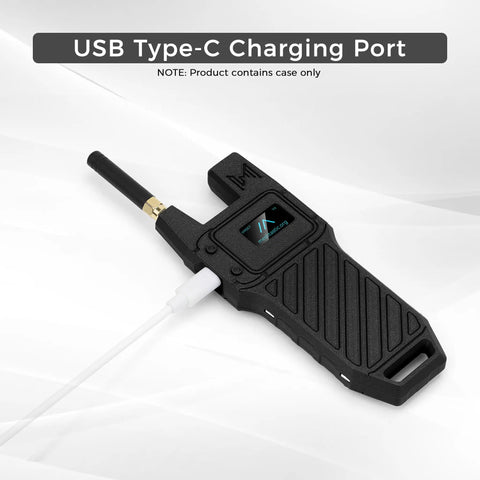
- USB Type-C Interface – With built-in voltage regulation, ESD protection, short-circuit protection, and RF isolation.
- Ultra-Low Power Consumption – Less than 20μA, with independent GNSS power control.
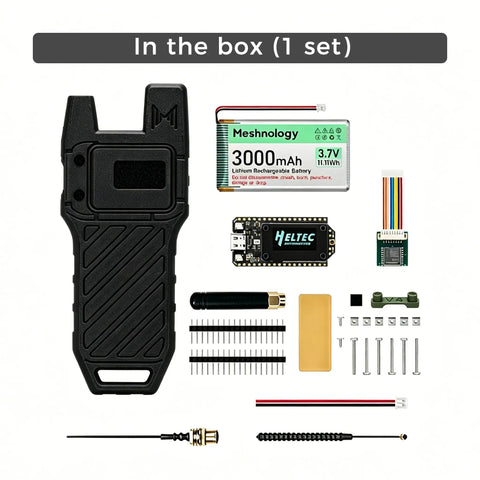
Package Includes
Heltec WiFi LoRa 32 V4 development board
3000mAh rechargeable Li-ion battery (pre-installed)
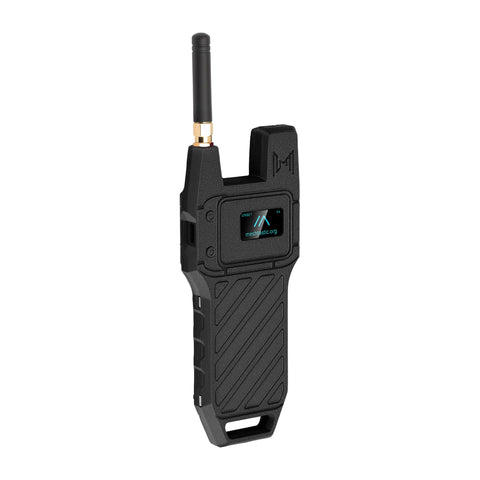
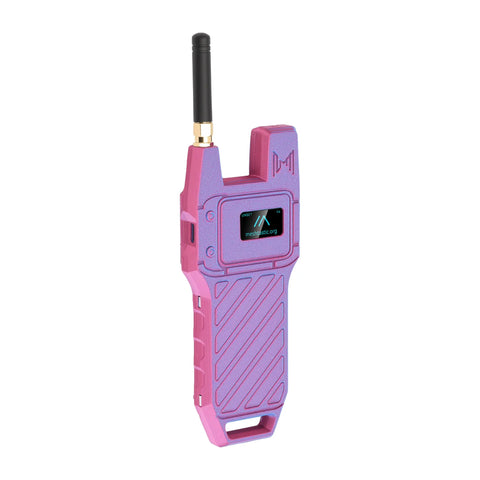
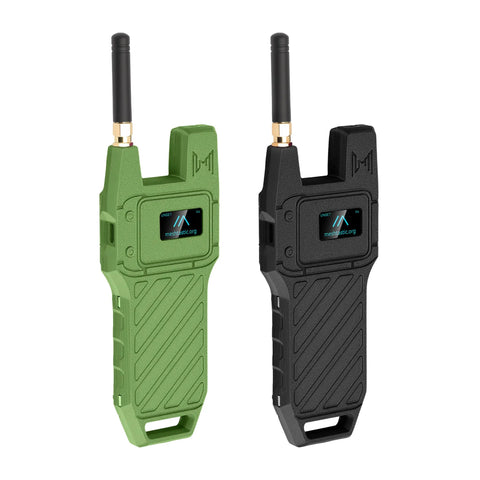
N39 protective case
863~928MHz antenna
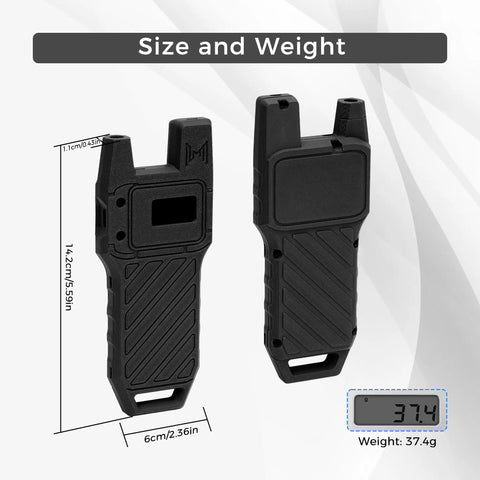
Dimensions and Weight
Board with case: approx. 85mm*45mm*35mm
Total weight: approx. 100g (including battery and case)
V3 vs V4 – Comparison Table
| Feature | ESP32 LoRa 32 V3 | WiFi LoRa 32 V4 (Upgraded) |
|---|---|---|
| Main MCU | ESP32-S3FN8, dual-core, up to 240MHz | ESP32-S3R2, dual-core, 2MB PSRAM, 16MB Flash |
| LoRa Chip | SX1262 | SX1262 |
| USB Interface | Type-C, with voltage regulation & ESD protection | Type-C, with voltage regulation, ESD, short-circuit protection, RF isolation |
| USB-to-Serial Chip | Integrated CP2102 | Removed – simpler design, lower cost |
| Display | 0.96″ 128×64 OLED | 0.96″ OLED (with PC casing protection) |
| Antenna | 2.4GHz spring antenna | Integrated FPC 2.4GHz antenna with casing + IPEX connector |
| Battery Interface | SH1.25-2, with charge/discharge management | SH1.25-2, optimized management, solar panel input (4.4–6V / ≤540mA) |
| GPS Interface | No disponible | Added SH1.25-8Pin GNSS interface |
| Wireless Connectivity | Wi-Fi b/g/n, Bluetooth 5 (LE), LoRa | Wi-Fi b/g/n, Bluetooth 5 (LE), LoRa |
| Memory | 384KB ROM, 512KB SRAM, 16KB RTC SRAM, 8MB Flash | 2MB PSRAM + 16MB Flash |
| LoRa TX Power | 21 ±1dBm | 27 ±1dBm (High Power Upgrade) |
| Power Consumption | Low-power design | Ultra-low <20μA, GNSS power independently controllable |
| Dimensions | 50.2 × 25.5 × 10.2 mm | Similar footprint (V3 pin-compatible) |
| Operating Temp. | -20 ~ 70 ℃ | -20 ~ 70 ℃ |
| Development Support | Arduino IDE | Arduino + extended compatibility |
| Notable Extras | CP2102 for programming/debug | Solar input, stronger LoRa, GNSS, casing protection |


Frequently Asked Questions
Q: 2.4GHz Antenna
The default 2.4G FPC antenna is located on the side of the plastic screen bracket.
If you wish to use an IPEX-connected 2.4G antenna, you need to remove the inductor marked as ① in the diagram below, and add a 0-ohm resistor (or other conductive metal or cable) at the position marked ② to connect to the IPEX interface.
Q: What development methods does it support?
- Arduino
- Micro Python
- Platform.io
- Espressif IDE
We strongly recommend using Arduino. We have complete technical support and provide full LoRaWAN code for the ESP32 Arduino framework.
Q: What’s the battery socket type?
You can find this type of socket by searching “SH1.25 x 2”.
Q: Are V3 and V4 compatible?
They are compatible in most scenarios.
Since V4 uses the same series of chips as V3, features the same OLED, and has an almost identical pin layout, V3 and V4 can be used interchangeably in the majority of cases.
However, due to the increased transmit power, the transmit power settings in some code may no longer correspond directly to the actual output.
Q: Failed to upload code
Please try the following steps:
• Try using a different USB cable.
• Enter BootLoader mode. Two methods:
1. Hold down the PRG button, connect the USB-C cable, then release the PRG button.
2. Connect the USB-C cable, hold down the PRG button, press the RST button once, then release the PRG button.
Take a Closer Look


Specification
| Item | Specification |
|---|---|
| MCU | ESP32-S3R2 dual-core processor |
| LoRa Chip | SX1262 (high-power transmission) |
| Memory | 2MB PSRAM + 16MB Flash |
| Wireless | Wi-Fi 802.11 b/g/b + Bluetooth BLE + LoRa |
| Power Interface | USB Type-C with protection circuit |
| Battery support | Smart charging/ discharging system |
| Solar input | 4.4 - 6V/ ≤540mA |
| GNSS | External expansion supported (SH 1.25-8Pin) |


